What Are Heel Spurs & Plantar Fasciitis?
Plantar fasciitis is one of the most common causes of heel pain, involving inflammation of the thick band of tissue (plantar fascia) that runs along the bottom of your foot. A heel spur is a bony calcium deposit that often forms alongside plantar fasciitis — though it can also develop independently.
Together, these conditions can be debilitating — making every step painful and significantly impacting your daily life. At Medical Center Plus, our team specializes in non-invasive and minimally invasive interventions to address these conditions and restore normal foot function. These conditions are closely related to foot and ankle pain and neuropathy.
We use evidence-based therapies including Pulsewave Therapy and Biologics & PRP that are highly effective for plantar fasciitis and heel spurs — without surgery.
Common Symptoms
- Sharp heel pain with first steps in the morning
- Pain after long periods of standing
- Tenderness along the arch of the foot
- Heel pain that improves with activity then worsens
- Swelling or inflammation at the heel
- Tight calf muscles or Achilles tendon
- Pain when climbing stairs or on tiptoe
Common Causes of Heel Spurs & Plantar Fasciitis
Repetitive Impact
Running, jumping, or prolonged standing strains the plantar fascia repeatedly, causing micro-tears and inflammation.
Poor Footwear
Shoes with inadequate support or cushioning fail to protect the plantar fascia from impact stress.
Flat Feet or High Arches
Abnormal foot mechanics place uneven stress on the plantar fascia, increasing risk of inflammation.
Tight Calf Muscles
Limited ankle flexibility from tight calves places excess tension on the plantar fascia with every step.
Excess Weight
Increased body weight amplifies stress on the plantar fascia and heel bone significantly.
Age
The plantar fascia becomes less flexible and the heel pad thins with age, increasing susceptibility to inflammation.
How We Treat Heel Spurs & Plantar Fasciitis
We use the most effective non-surgical treatments available to eliminate heel pain and prevent recurrence. Learn more about our team.
Physical Medicine
Comprehensive foot evaluation with imaging to confirm plantar fasciitis, identify any heel spur formation, and rule out other conditions.
Pulsewave Therapy
Our most effective treatment for plantar fasciitis — acoustic wave therapy breaks down calcifications, reduces inflammation, and stimulates tissue repair in the plantar fascia.
Biologics — Plasma & PRP
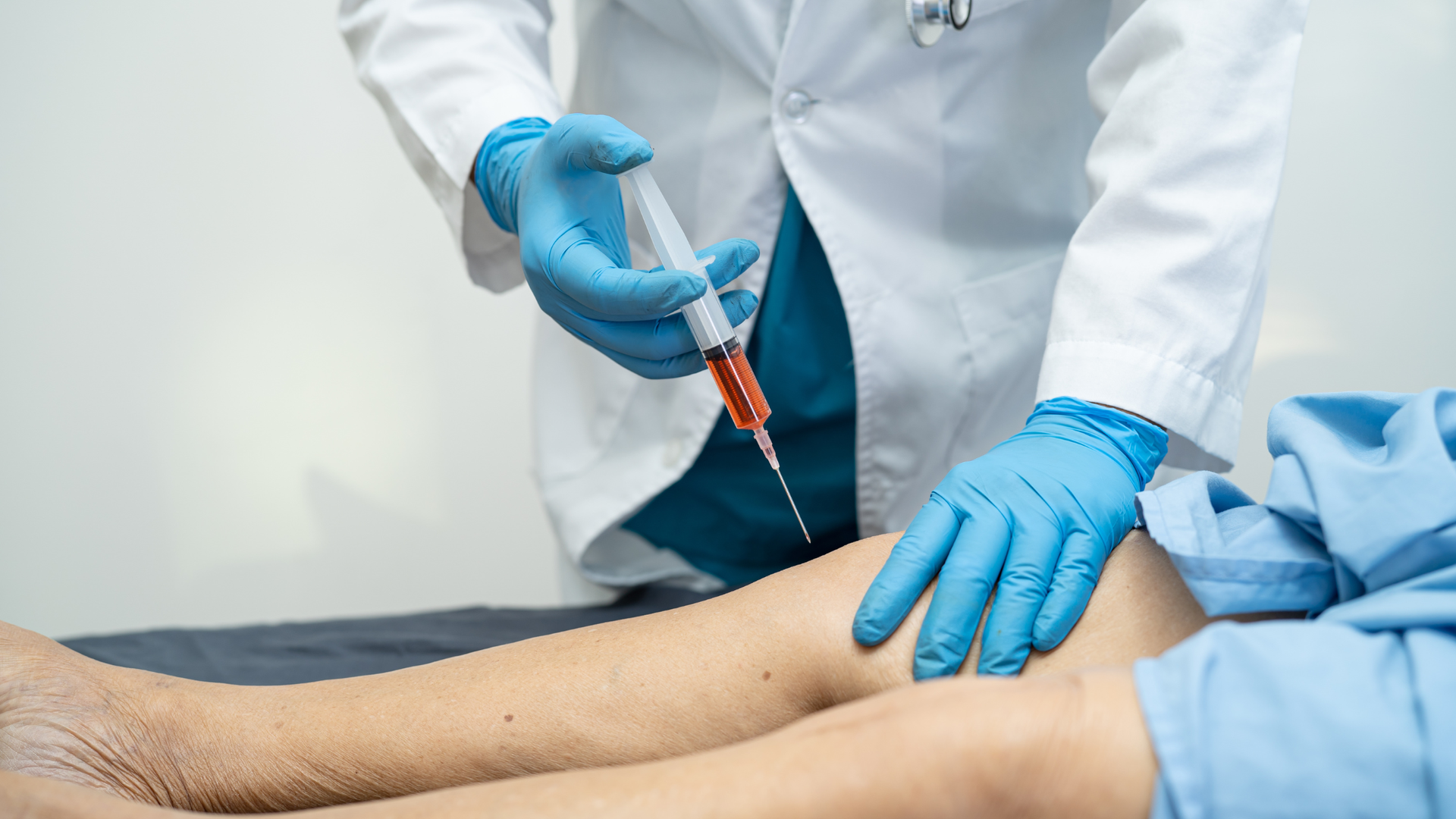
PRP injections deliver concentrated healing growth factors directly into the inflamed plantar fascia, accelerating natural repair and reducing chronic inflammation.
Trigger Point Injections
Targeted injections into tight calf and foot muscles that are placing excess strain on the plantar fascia, providing rapid relief and restoring normal tension.
Electric Cell Signaling Technology
Advanced electrical therapy that promotes tissue healing and reduces chronic pain in the heel and arch.
Electrical Stimulation
Non-invasive stimulation that reduces heel pain, improves circulation, and supports the healing process.
The Medical Center Plus Difference
Multi-Specialty Team
Multiple specialists collaborate under one roof — no referrals needed.
Latest Technology
Cutting-edge diagnostic tools and treatment technologies.
No Opioid Prescriptions
We get patients off medications, not onto them.
One-Visit Convenience
See multiple providers in a single visit.
Conditions We Also Treat
Frequently Asked Questions
With proper treatment, most patients experience significant relief within 6–8 weeks. Without treatment, plantar fasciitis can become chronic and last for years. Schedule a consultation as early as possible for the best outcomes.
Surgery for heel spurs is rarely necessary. Our Pulsewave Therapy is highly effective at breaking down calcium deposits and eliminating pain without any surgical procedure.
Yes — without addressing the underlying causes (footwear, biomechanics, muscle flexibility), plantar fasciitis can recur. Our team provides guidance on prevention alongside treatment.
We work with most major insurance providers. Contact our office and we'll verify your coverage before your appointment.
Walk Without Pain Again
Our team specializes in eliminating heel pain quickly and effectively — no surgery required.