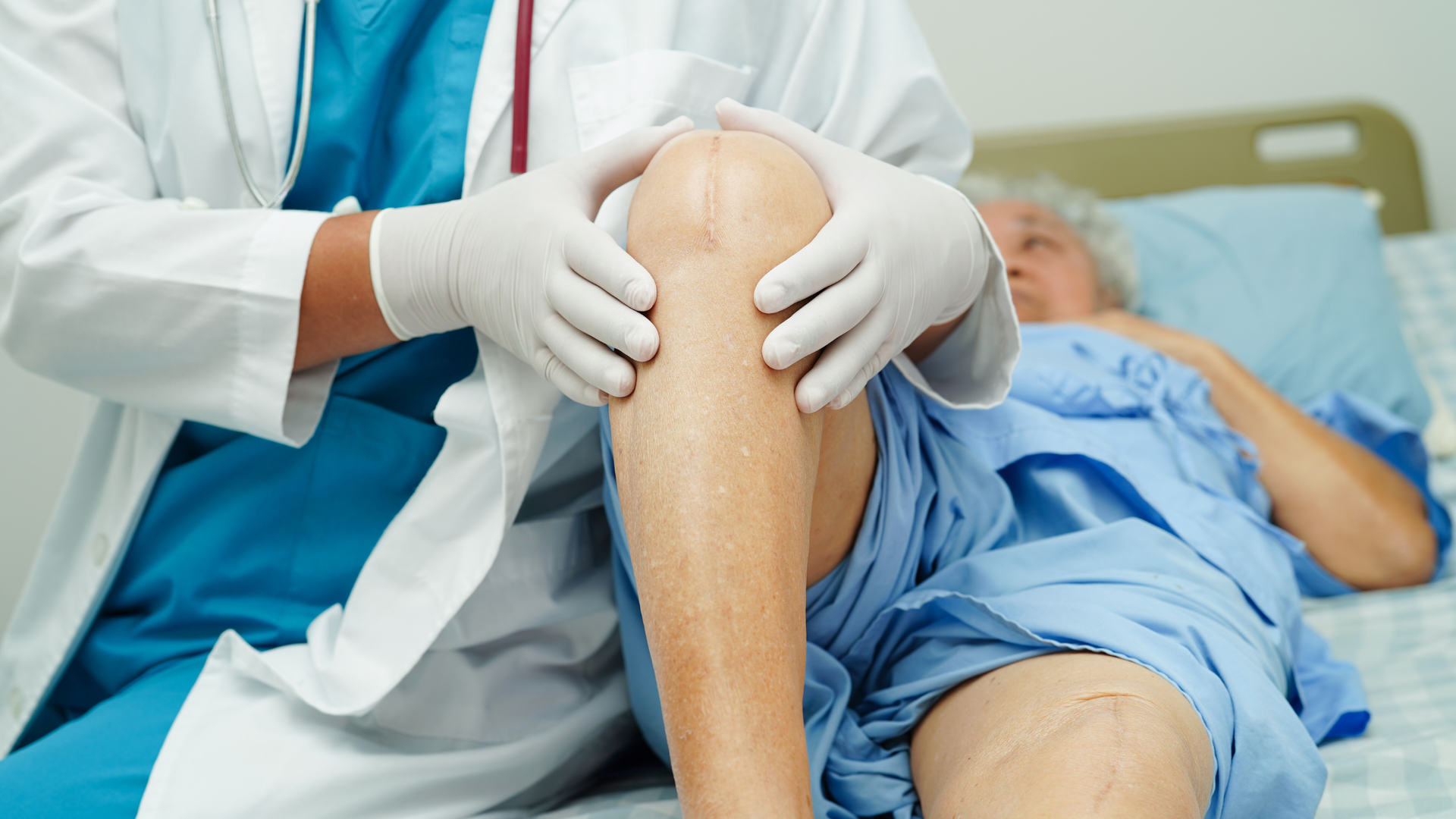
Non Surgical Knee Pain Relief in Montgomery: Comprehensive Treatment Options and Patient Care
By Dr. David Randall Willis, Medical Center Plus
Knee pain is common with age, activity, or injury. This article summarises non-surgical options available in Montgomery, including conservative care, injections, and rehabilitation, and explains how personalised plans at Medical Center Plus can reduce pain and restore function.
Key Takeaways
- Non-surgical options include physical therapy, injections, medication, and regenerative therapies.
- Causes often include aging, arthritis, injury, excess weight, and low activity levels.
- Physical therapy builds muscle support, improves flexibility, and reduces pain.
- Injections (PRP, hyaluronic acid, steroids) can reduce inflammation or add joint cushioning.
- Treatment plans at Medical Center Plus are personalised after comprehensive assessment.
- Multi-specialty care combines orthopaedics, therapy, and pain management for coordinated treatment.
- Seek care for persistent pain, swelling, stiffness, or difficulty moving the knee.
- Weight loss and bracing are effective non-surgical strategies to reduce joint load.
- Bring medical history and symptom details to consultations to speed planning.
What Causes Chronic Knee Pain and Arthritis in Montgomery Adults?
Chronic knee pain usually stems from cartilage wear (osteoarthritis), overuse or acute injury, and medical conditions. Excess weight and inactivity increase joint load and accelerate cartilage breakdown. Identifying the main contributors guides an effective treatment plan.
Non-Surgical Knee Pain Relief and Treatment Options
Non-surgical care aims to reduce pain, restore function, and slow progression. Common approaches include:
- Physical Therapy: Targeted exercises and manual techniques to strengthen and stabilise the knee.
- Injection Therapy: Corticosteroids or hyaluronic acid for targeted symptom relief.
- Platelet-Rich Plasma (PRP) Therapy: Autologous injections to support healing and reduce inflammation. Read more about how biologics and PRP are used in our treatment programmes.
- Medication: OTC or prescription drugs to control pain and inflammation as needed.
These modalities are often combined into a coordinated plan to help you regain mobility and return to daily activities.
What Symptoms Indicate the Need for Non-Surgical Intervention?
Key signs include persistent pain that does not improve with rest, recurring swelling or stiffness, and difficulty bending or straightening the knee. Early assessment expands non-surgical options and can prevent worsening.
Which Non-Surgical Treatments Effectively Manage Knee Osteoarthritis and Pain?
Effective non-surgical strategies focus on symptom control and function:
- Physical Therapy: Tailored exercises to restore strength and range of motion, delivered through our physical medicine team.
- Weight Management Programs: Reducing weight lowers joint stress and improves function.
- Regenerative Medicine: Biologic options such as PRP that support tissue repair.
- Customised Bracing: The orthopedic unloader device can help stabilise the joint and reduce painful motion.
Used together, these approaches help many patients resume more active daily lives and can delay or avoid surgery.
How Does Physical Therapy Improve Knee Function and Reduce Pain?
Therapists provide targeted programmes to strengthen supporting muscles (quadriceps, hamstrings), improve flexibility, and correct movement patterns. Manual therapy and education reduce joint stress and often produce measurable gains in strength, range of motion, and daily function.
Individualised plans and regular progress checks help ensure safe recovery and lasting benefit.
What Are the Roles of Regenerative Medicine and Injection Therapies?
When conservative care is insufficient, injections and regenerative treatments can reduce inflammation, support tissue repair, and improve joint mechanics.
- Platelet-Rich Plasma (PRP) Therapy: Uses the patient's platelets to encourage healing and reduce inflammation. Our biologics and PRP page has more detail on how this works.
- Hyaluronic Acid Injections: Add lubrication and cushioning to improve joint movement and reduce pain.
These options are selected based on symptoms, imaging, and response to prior treatments.
How Does Medical Center Plus Provide Multi-Specialty Knee Pain Care in Montgomery?
Medical Center Plus coordinates orthopaedic physicians, physical therapists, and pain clinicians to create evidence-based, personalised care plans. Specialists consult each other to optimise assessment and treatment selection. You can find out more about our team and approach on our about page.
What Qualifications Do Pain Management Specialists and Therapists Have?
Providers hold advanced training and recognised credentials; many are board-certified and therapists have graduate degrees, supporting safe, effective, and current practices. This expertise underpins personalised treatment planning and patient safety.
How Are Personalised Treatment Plans Developed for Knee Pain Patients?
Plans are developed collaboratively after a detailed history, physical exam, and goal-setting. Interventions are chosen to match the patient's condition, activity goals, and preferences, improving engagement and outcomes. Follow-up and adjustment are part of the process to track progress and adapt care. Patients managing related conditions such as arthritis or hip pain alongside knee pain also benefit from this joined-up approach.
What Should You Know About Scheduling and Preparing for Your Knee Pain Consultation?
Bring a list of medications, past treatments, and a clear account of symptoms. Expect a physical exam and discussion of evidence-based options. Prepare questions about recovery timelines and how each option fits your goals. Being organised helps you and your clinician make informed decisions quickly.
How Can You Schedule Your Non-Surgical Knee Pain Evaluation in Montgomery?
To schedule, visit the Medical Center Plus contact page or call to begin intake and match you with the right specialist.
- Contact the Center: Call (334) 933-4840 to arrange an appointment.
- Provide Information: Describe symptoms and prior care so intake staff can direct your visit appropriately.
- Confirm Details: Verify time, location, and any paperwork before your appointment.
These steps help ensure a smooth evaluation and timely follow-up. You can also book online via ZocDoc.
What Questions Will Specialists Ask to Tailor Your Treatment?
Expect questions about pain patterns, previous injuries or surgeries, current medications, activity levels, and goals. This history enables targeted, evidence-based recommendations. Open communication helps the team choose the most appropriate interventions for your needs.
Frequently Asked Questions
What lifestyle changes can help alleviate knee pain? Maintain a healthy weight, do regular low-impact exercise (walking, cycling, swimming), and use anti-inflammatory foods as part of an overall plan discussed with your clinician.
How effective are over-the-counter medications for knee pain? OTC NSAIDs can relieve pain and inflammation for mild to moderate symptoms; acetaminophen relieves pain without anti-inflammatory effect. Use as directed and consult your provider for persistent pain.
How can weight management impact knee osteoarthritis? Even modest weight loss reduces joint load and can improve symptoms; combined dietary changes and regular exercise provide the best chance for lasting benefit.
Are there alternative therapies for knee pain relief? Complementary therapies such as acupuncture, massage, and heat/cold may ease symptoms for some people and can complement conventional care when discussed with your provider.
What precautions should I take when starting a new exercise program for knee pain? Begin with low-impact activities, increase intensity gradually, and work with a therapist to tailor exercises. Stop and seek advice if pain worsens or new symptoms appear.
Can knee pain be a sign of a more serious condition? Yes. Severe swelling, fever, inability to bear weight, or visible deformity warrant prompt evaluation to rule out ligament tears, meniscal injury, or severe arthritis.
Conclusion
Non-surgical knee care in Montgomery offers practical, evidence-based options including physical therapy, injections and biologics, weight management, and specialist input that can reduce pain and restore function. Get in touch with Medical Center Plus to discuss a personalised evaluation and the next steps toward recovery.
Ready to Take the Next Step Towards Knee Pain Relief?
Schedule your consultation today and start your journey to a pain-free life with expert, non-surgical care.
⭐ Had a good experience with us? We would really appreciate it if you could share your feedback on Google — it helps others in Montgomery find the care they need.