Patient Guide · General
Conditions Treated — Arthritis
Arthritis Treatment in Auburn & Montgomery, AL
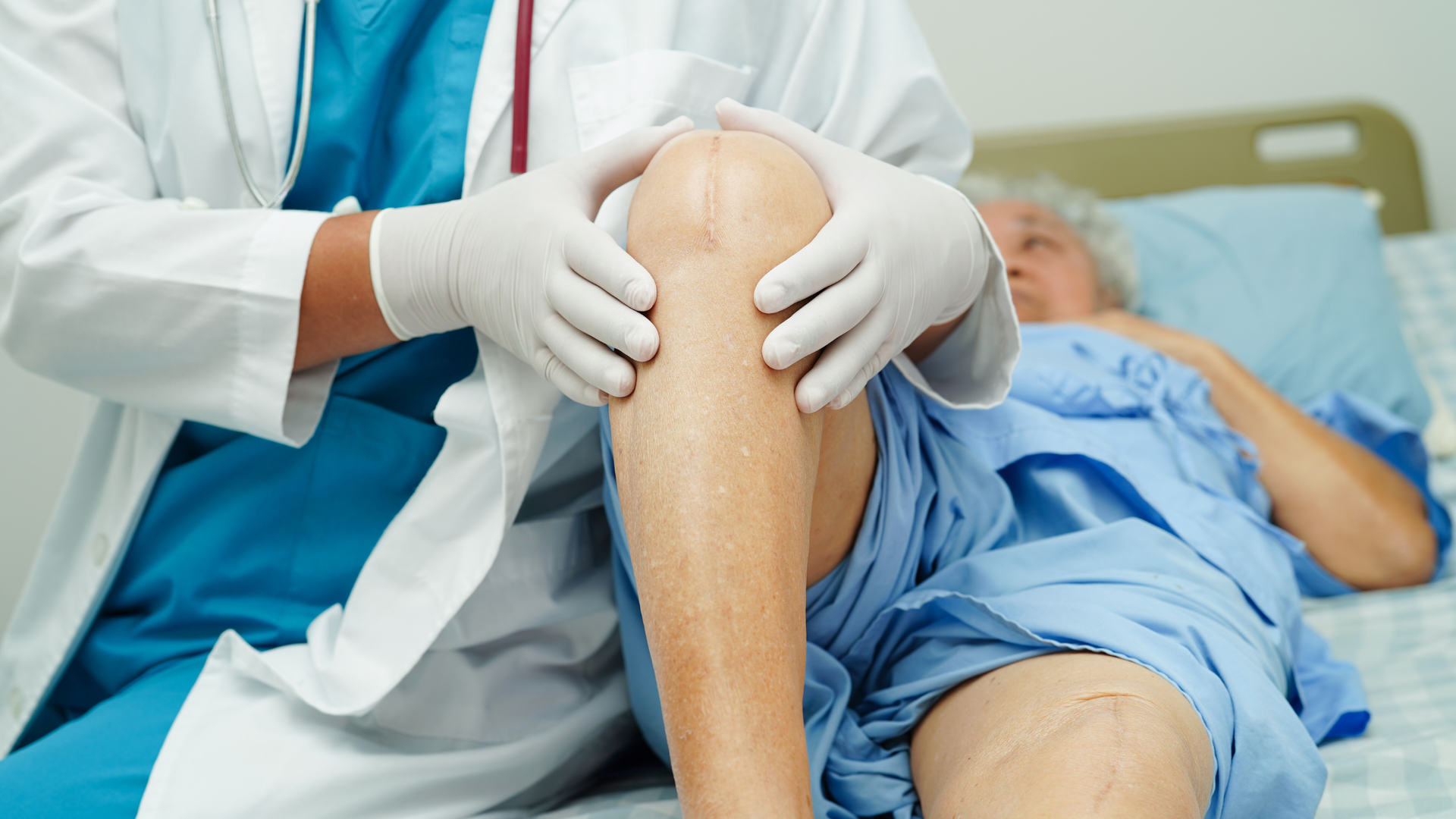
Arthritis doesn't have to mean a lifetime of stiffness, pain, and joint replacements. At Medical Center Plus, we identify exactly which joints are affected and how severely, then treat the underlying inflammation and cartilage breakdown with advanced, non-surgical therapies — no opioids, no rushed referrals to surgery.
Call Auburn: (334) 501-8867
·
Montgomery: (334) 933-4840
What to look for
Common Symptoms of Arthritis
Arthritis symptoms build gradually and tend to follow a recognizable pattern. These are the symptoms our Auburn and Montgomery patients most commonly describe.
Morning Stiffness
Joints that feel stiff and difficult to move first thing in the morning or after periods of rest, typically loosening within 30–60 minutes of activity.
Pain That Worsens with Activity
Aching or sharp pain that increases with repetitive use of an affected joint, such as climbing stairs, gripping objects, or standing for long periods.
Swelling & Warmth
Visible puffiness, tenderness, or warmth around a joint, indicating active inflammation from cartilage breakdown or an autoimmune process.
Grinding or Clicking
Audible or palpable grinding, clicking, or popping sensations during joint movement, a sign of thinning or roughened cartilage surfaces.
Reduced Range of Motion
Gradual loss of flexibility in an affected joint, making it harder to fully bend, straighten, or rotate compared to years past.
Joint Deformity
Visible changes in joint shape or alignment over time, most noticeable in the fingers, knees, or hips in advanced or long-standing arthritis.
Why it happens
Common Types & Causes of Arthritis
Arthritis isn't a single condition — it's an umbrella term for over 100 different joint diseases. Identifying which type you have determines which treatment will actually help.
Osteoarthritis
The most common form — gradual, wear-related breakdown of the cartilage cushioning a joint, most often affecting the knees, hips, hands, and spine as we age.
Rheumatoid Arthritis
An autoimmune condition in which the immune system attacks the joint lining, causing inflammation, pain, and progressive joint damage, often symmetrically in both hands or both knees.
Post-Traumatic Arthritis
Arthritis that develops in a joint years after a fracture, ligament tear, or other significant injury, even if that injury seemed to heal completely at the time.
Psoriatic Arthritis
An inflammatory arthritis that develops in some people with psoriasis, causing joint pain, stiffness, and swelling alongside skin symptoms.
Gout
A build-up of uric acid crystals in a joint, most commonly the big toe, causing sudden, intense episodes of pain, redness, and swelling.
Genetics & Body Weight
Family history significantly influences arthritis risk, and excess body weight adds sustained mechanical load to weight-bearing joints, accelerating cartilage breakdown.
⭐ Featured Treatment for Arthritis
Orthopedic Unloader Device
For arthritis affecting weight-bearing joints like the knee, an orthopedic unloader device redistributes load away from the damaged side of the joint, immediately reducing pain during standing, walking, and daily activity. Combined with regenerative therapies, it's one of the most effective ways to keep an arthritic joint functional without surgery. Available at both our Auburn and Montgomery clinics.
How we help
How We Treat Arthritis
We combine multiple non-surgical therapies into a coordinated plan built around exactly which joints are affected and how advanced the arthritis is — not a generic protocol.
Orthopedic Unloader Device
A specialized bracing device that redistributes load away from an arthritic joint, reducing pain during daily activity and slowing further cartilage wear.
Learn more
Biologics — Plasma & PRP
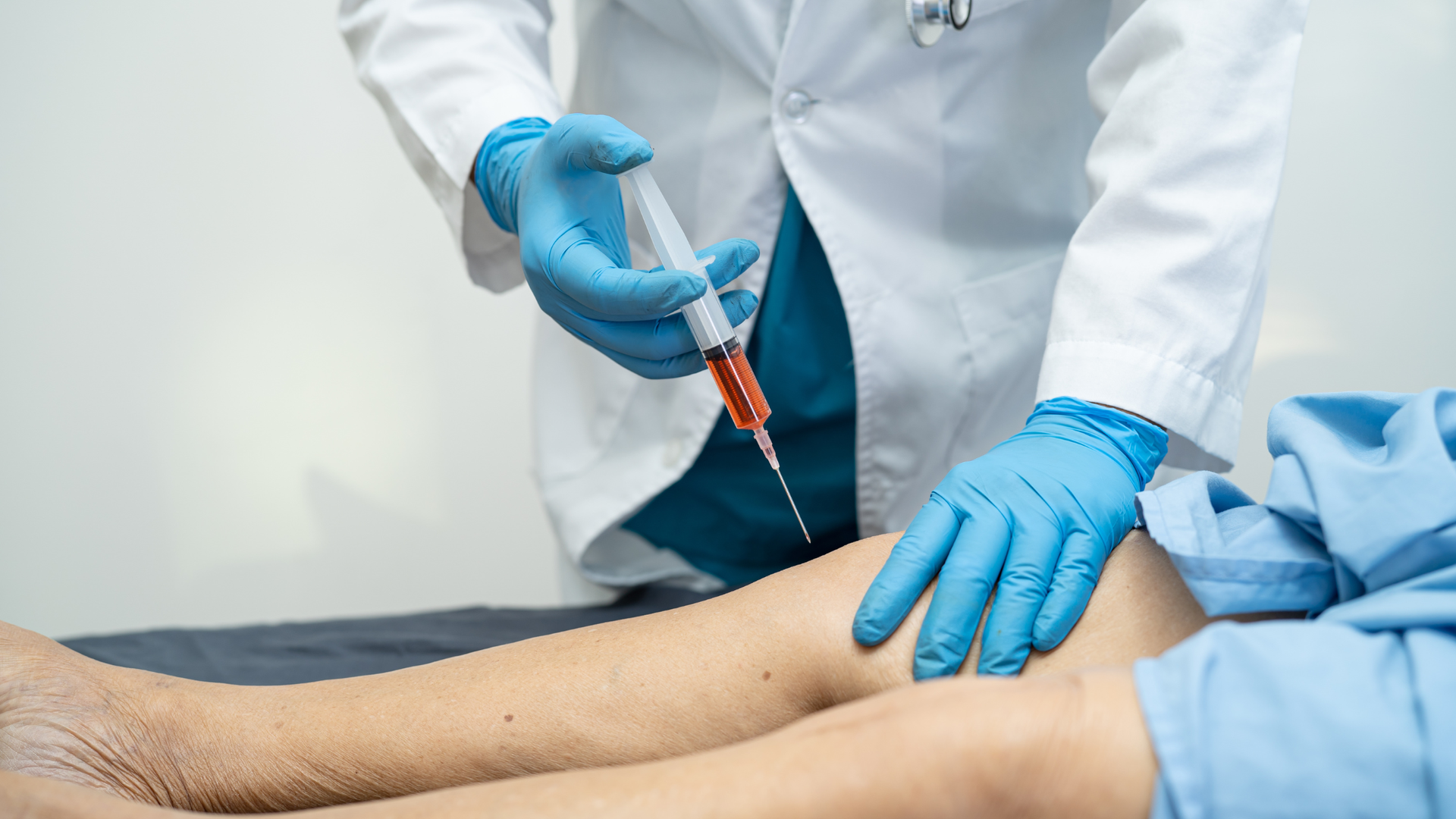
Platelet-rich plasma injections deliver concentrated growth factors directly to arthritic joint tissue to reduce inflammation and support cartilage health.
Learn more
Physical Medicine
Joint mobilization and targeted exercise to preserve range of motion, strengthen supporting muscles, and reduce mechanical stress on arthritic joints.
Learn more
PulseWave Therapy
Acoustic pressure waves stimulate blood flow and reduce inflammation in arthritic joints, easing pain and improving mobility over a series of sessions.
Learn more
Electric Cell Signaling (ECST)
Precise electrical frequencies interrupt chronic pain signals from an arthritic joint while stimulating cellular repair in the surrounding tissue.
Learn more
Electrical Stimulation
Controlled electrical currents reduce joint inflammation and muscle guarding, providing relief during both acute flare-ups and chronic arthritic pain.
Learn more
Patient education
Understanding Your Arthritis
How Is Arthritis Diagnosed?
With over 100 types of arthritis, an accurate diagnosis is essential — treating osteoarthritis the same way you'd treat rheumatoid arthritis or gout simply doesn't work. Our evaluation includes:
- Physical examination — assessing joint swelling, warmth, range of motion, and the specific pattern of joints affected
- Symptom history — identifying whether symptoms are symmetric, episodic, or progressive to help narrow the type of arthritis
- Orthopedic testing — targeted maneuvers to assess joint stability and cartilage integrity
- Imaging review — correlating X-ray or MRI findings with your clinical symptoms to confirm the diagnosis and severity
Most patients leave their first visit with a clear diagnosis and a treatment plan — not just a prescription and a referral to "come back when it's worse."
Can Arthritis Progression Be Slowed?
You can't reverse existing joint damage, but you can meaningfully slow progression and reduce how much arthritis affects your daily life. These habits make a measurable difference:
- Maintain a healthy weight — every extra pound adds significant compressive force to weight-bearing joints like the knees and hips
- Stay consistently active — low-impact movement helps circulate nutrients into cartilage and keeps supporting muscles strong
- Strengthen surrounding muscles — stronger muscles absorb more load, reducing stress directly on the joint
- Use supportive devices when needed — unloader braces and proper footwear reduce cumulative joint stress
- Address flare-ups early — treating inflammation when it starts prevents accelerated cartilage breakdown
- Follow an anti-inflammatory diet — certain foods can meaningfully influence systemic inflammation levels
When to Seek Care Immediately
Seek urgent evaluation if a joint becomes suddenly hot, red, and significantly swollen; you develop fever alongside joint pain; you experience sudden inability to bear weight or move a joint; or you notice rapid, unexplained joint deformity. These may indicate a joint infection or an acute inflammatory flare requiring emergency care.
Common questions
Arthritis FAQs
Yes — the large majority of arthritis, especially mild to moderate osteoarthritis, responds well to non-surgical treatment. At Medical Center Plus, we treat arthritis exclusively with non-surgical methods: orthopedic unloader devices, PRP biologics, physical medicine, PulseWave therapy, ECST, and electrical stimulation. We never prescribe opioids. Joint replacement surgery is typically only considered for advanced, end-stage arthritis that doesn't respond to an extended course of conservative care.
Osteoarthritis is a wear-and-tear condition — cartilage breaks down gradually over time from mechanical stress and aging, usually affecting one side more than the other. Rheumatoid arthritis is an autoimmune disease in which the immune system attacks the joint lining, typically causing symmetric pain and swelling in both hands or both knees at once, often with more pronounced morning stiffness lasting over an hour. Because the underlying mechanism differs completely, treatment approaches differ as well.
Yes, and it's actually one of the most effective ways to manage arthritis long-term. Low-impact activities like walking, swimming, and cycling help maintain joint lubrication, strengthen supporting muscles, and reduce stiffness — without adding the repetitive impact that high-impact activities do. Complete inactivity, by contrast, tends to worsen stiffness and weaken the muscles that protect the joint. We build activity recommendations into every arthritis treatment plan.
Not usually. Arthritis can often be identified through a physical exam that assesses joint swelling, warmth, range of motion, and the specific pattern of affected joints. If you already have imaging, bring it along. If you don't, your provider will determine whether X-rays or an MRI are needed based on your clinical exam and symptom severity. We never order unnecessary tests.
It depends on the type and severity of arthritis. An orthopedic unloader device can provide noticeable relief immediately during use. Physical medicine and electrical stimulation often show improvement within 2–4 visits. PRP biologics and PulseWave therapy typically show cumulative benefit over a 6–12 week course. Because arthritis is a progressive condition rather than a single injury, many patients benefit from an ongoing maintenance plan rather than a one-time fix.
Yes. Our Auburn clinic (1685 East University Dr., Suite E) is open Monday–Thursday for arthritis evaluations and treatment. Our Montgomery clinic (4209 Carmichael Road) is open Tuesdays and Thursdays by appointment. Both locations offer the full range of non-surgical arthritis treatments with the same physician team.
From the blog
Related Resources
Articles from Dr. Willis on joint health, non-surgical treatment options, and what to expect at our Auburn and Montgomery clinics.
🥊
💡
Treatment Options · General
🦼
Non-Surgical Care · Auburn
Your Arthritis Has an Answer — and It's Not Surgery
Our Auburn and Montgomery clinics offer same-week consultations. No opioids. No surgical referrals. Just an honest evaluation and a treatment plan built around the joints actually affected.
No opioid prescriptions
Non-surgical approach
Two Alabama locations